

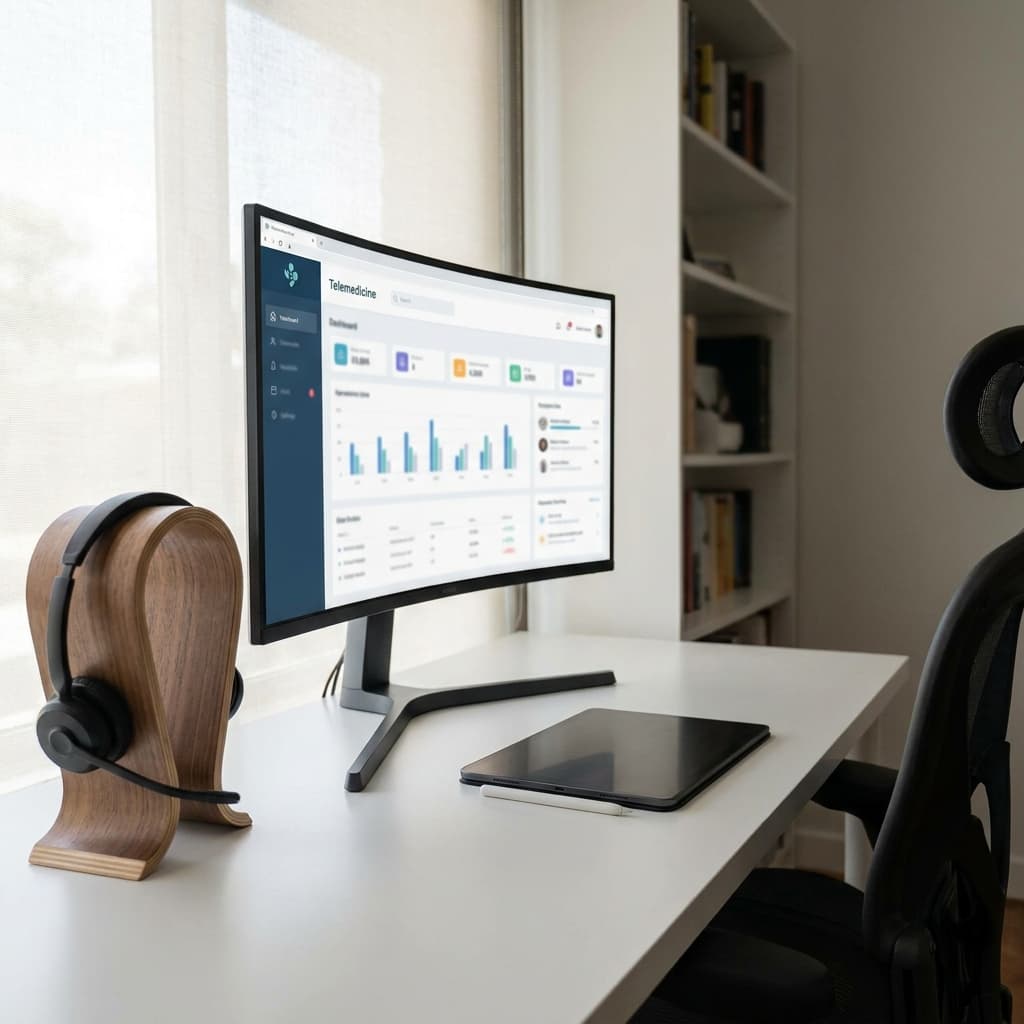
Most TRT clinics already use some form of telemedicine. The problem is that many of those setups stop at video calls and digital forms. When virtual care is treated like a thin layer on top of disconnected tools, staff still chase paperwork, refill questions still get lost, and patient follow-through still depends on who remembers to send the next message.
A stronger virtual care platform does more than let a provider meet patients online. It gives your clinic a cleaner operating system for intake, communication, refill management, scheduling, and follow-up. When those pieces work together, virtual care stops feeling like a patch and starts acting like infrastructure.
Basic telemedicine solves access, but not operations
The first wave of telemedicine tools made care more convenient. That mattered, especially for clinics serving patients across a wider geographic area. But convenience on the patient side does not automatically create efficiency on the operator side.
A clinic can offer virtual consults and still struggle with slow intake, missing documents, manual reminders, and unclear handoffs between front desk, provider, and fulfillment. That is usually where growth stalls. The issue is not whether telemedicine works. The issue is whether the platform behind it actually supports the way your clinic runs every day.
We see this in clinics that stack separate apps for forms, messaging, CRM, scheduling, and refill follow-up. Each tool handles one task, but nobody owns the whole journey. The result is extra admin time, more room for errors, and less visibility when a patient quietly drops out of the process.
A true virtual care platform keeps the patient journey connected
For TRT clinics, virtual care works best when the patient record, communication history, and workflow steps stay connected from first inquiry through ongoing treatment. That means staff should be able to see where a patient stands without opening five tabs and piecing together the story by hand.
A better platform typically includes structured intake, automated reminders, two-way communication, scheduling logic, and task routing tied to the patient timeline. If a patient books but does not finish forms, the clinic should know. If a refill window is approaching, the right follow-up should happen before the patient slips. If a provider needs context before a consult, it should already be there.
This is one reason secure communication matters so much in a remote model. If your clinic is still treating messaging like an afterthought, it helps to understand why HIPAA compliant texting is essential for TRT clinics. In virtual care, communication is not a side feature. It is part of care delivery.

Refill visibility and follow-up matter more than most clinics think
Many clinic owners focus on the consult because that is the obvious point of contact. In practice, retention problems often show up later. Patients miss refill steps, delay lab-related follow-up, or stop responding because the process feels unclear. In a virtual clinic, those gaps are easy to miss unless the platform surfaces them early.
That is why advanced virtual care platforms need more than appointment booking and video. They need workflow visibility. Staff should be able to identify patients who are late in a sequence, overdue for a response, or drifting between steps without relying on memory or manual spreadsheets.
Educational follow-up also plays a bigger role than many operators expect. Consistent, useful communication improves understanding and helps patients stay engaged over time. We have seen the same pattern in retention content for telemedicine, where better messaging supports adherence instead of leaving patients to guess what comes next.
The right platform reduces staff load while improving patient experience
Clinic software should not force your team to choose between growth and responsiveness. A strong virtual care platform reduces repetitive work by handling the predictable parts of the patient journey well. That includes reminders, status updates, task triggers, intake collection, and communication rules that run without staff babysitting every step.
When those routines are built into the system, your team can spend more time on exceptions, patient questions, and real operational decisions. That is the difference between automation that feels helpful and automation that just creates another dashboard no one trusts.
Patient experience improves too. People are more likely to complete next steps when the path is clear, the communication is timely, and nothing feels lost between departments. Virtual care should feel organized from the patient's point of view. If it feels scattered, they assume the clinic is scattered too.
Trust also affects how patients respond to marketing and onboarding content. Clinics that invest in believable, human communication generally create a smoother first impression, which is one reason this comparison of human UGC vs AI UGC for telemedicine clinics matters. The platform and the message both shape confidence.

What to look for before you commit to a platform
If your clinic is evaluating virtual care platforms, look past surface features. Ask whether the system helps your team run the entire patient journey with less manual coordination. Ask whether communications, intake, scheduling, and follow-up are part of the same workflow. Ask whether staff can quickly spot bottlenecks before they become drop-off.
You should also look at how well the platform supports future complexity. As your clinic grows, you may need more automation, cleaner reporting, better handoffs, and tighter operational control. A tool that only handles virtual visits can become a limitation fast. A platform that supports care delivery, communication, and workflow management together gives you more room to grow without adding headcount at the same pace.
That is the real upgrade from basic telemedicine to virtual care infrastructure. It is not just about seeing patients online. It is about running a clinic that can stay responsive, compliant, and organized as demand increases.
If your team is rethinking how virtual care should actually work behind the scenes, explore Red Letter Nexus to see how a clinic platform can support intake, communication, and follow-up in one connected system.