


Why texting became mission critical for TRT clinics
For most TRT clinics, texting is no longer a nice extra. It is the fastest channel for patient responses, intake completion, scheduling confirmations, and refill coordination. Patients check texts quickly, staff can move conversations forward in real time, and the clinic can reduce no-shows with timely reminders. The problem is not whether to text. The problem is whether the texting workflow is compliant, trackable, and operationally reliable.
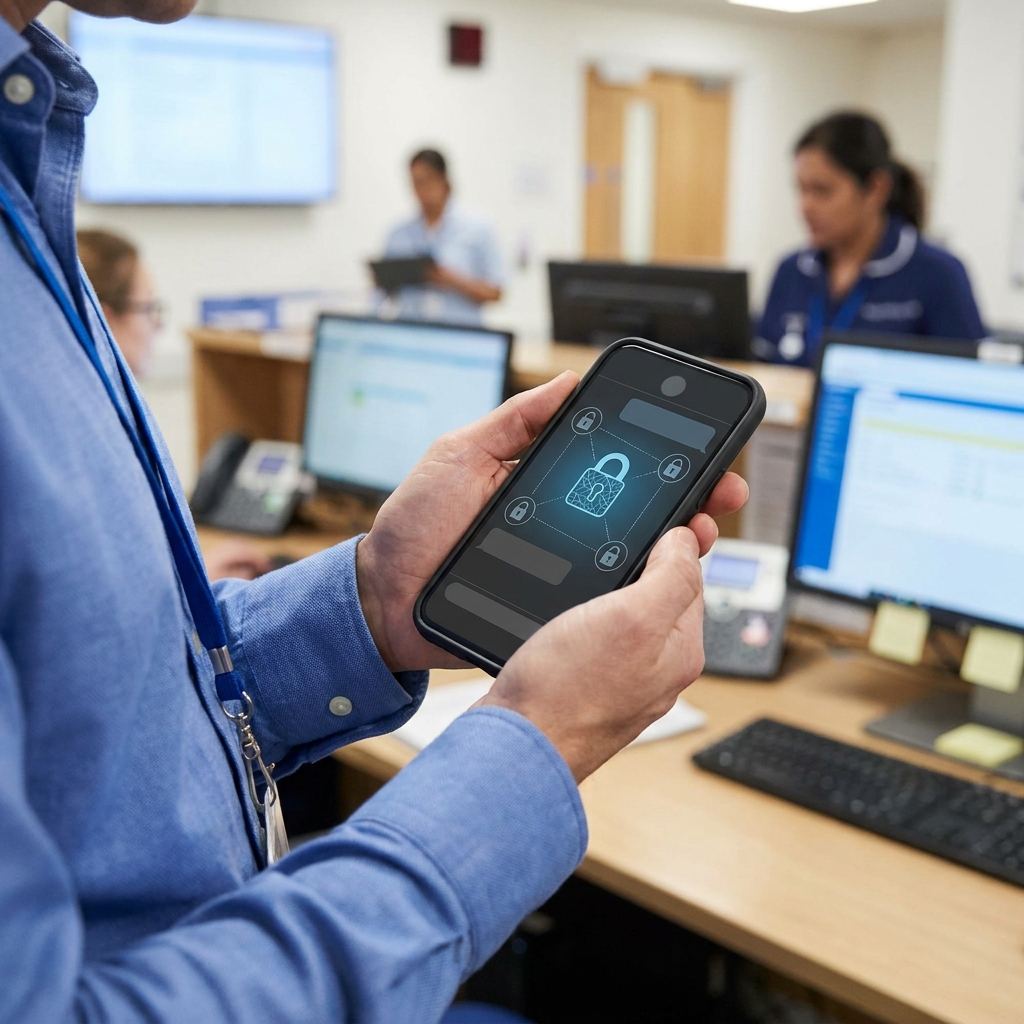
Many teams start with consumer messaging tools because they are easy. Over time, that convenience creates risk. Protected health information can end up in unsecured threads, staff can use personal devices, and there is no consistent audit trail when questions come up later. What felt efficient at first becomes expensive operational debt.
HIPAA compliance is an operations issue, not just a legal checkbox
When people hear HIPAA, they often think only about legal exposure. In practice, compliance also protects day-to-day clinic performance. A HIPAA compliant texting system gives your team controlled access, standardized templates, proper consent handling, and documented communication history. That means fewer dropped handoffs and less guesswork about what was sent and when.
It also helps managers coach performance. If message history is centralized, you can identify slow response windows, inconsistent follow-up patterns, and patient journey bottlenecks before they damage conversion rates. Clinics that improve patient journey automations typically pair compliance controls with tighter workflow design.
Where non-compliant texting quietly hurts growth
Most clinics do not feel the pain all at once. It shows up in fragments. One staff member cannot see a prior conversation and sends the wrong follow-up. Another team member copies patient details into a separate tool to keep work moving. A consent question is raised, but nobody can quickly prove what was approved. These are not edge cases. They are common failure points in growing practices.
Disconnected communication also makes marketing attribution harder. If leads are generated effectively but communication quality varies by rep or by tool, your reported funnel performance becomes noisy. You can spend more on acquisition while consult conversion stays flat. Strong clinics treat communication workflow as part of the revenue system, not a side process.
What a compliant texting stack should include
- Role-based access so only authorized users can view sensitive conversations.
- Business associate agreement coverage from the messaging vendor.
- Centralized inboxes tied to contact records, not personal phones.
- Consent-aware templates for reminders, intake nudges, and post-consult follow-up.
- Searchable audit history for operational review and compliance documentation.
- Automation triggers that connect texting to scheduling and fulfillment workflows.
When these elements are present, texting becomes predictable. It supports faster lead-to-consult velocity, cleaner handoffs, and better patient experience. Clinics aiming to improve intake speed often combine compliant messaging with broader intake automation systems.

How to roll this out without disrupting the team
Start by mapping your current message flow from first inquiry through refill and retention. Identify where patient context gets lost and where staff rely on personal devices or manual copy-paste. Then migrate one stage at a time, usually intake and appointment reminders first, before expanding to post-consult and retention communication.
Give each stage clear ownership, response-time standards, and escalation rules. Keep templates short and plain language. Avoid over-automating sensitive moments that need a human touch. The goal is consistency, not robotic communication.
The clinics that scale best treat communication as infrastructure
As volume grows, communication quality becomes a leading indicator of conversion efficiency and patient retention. HIPAA compliant texting protects privacy, but it also protects throughput. It reduces rework, makes outcomes measurable, and gives your team a repeatable operating system.
If your clinic is still stitching together disconnected tools, this is usually the first place to tighten. A unified approach to messaging, intake, and follow-up works best when it is built into one operational backbone, similar to how teams modernize broader practice workflows in disconnected tool stack audits. If you want to see how this can fit your process, explore Red Letter Nexus and map your communication flow against your growth goals.